
Key Takeaways
- A structured rehabilitation program is a key part of a smooth recovery after hip replacement surgery
- Early recovery focuses on dedicated rest, gentle movement with assistance, and staying comfortable
- Coordinated care from physical therapists, occupational therapists, and skilled nursing professionals supports your healing
- A supportive community environment can help you stay motivated and provide access to 24/7 care when you need it
Understand Your Hip Replacement Recovery
Deciding to have hip replacement surgery is a big step toward renewing your mobility and getting back to the activities you love. As you plan, you may wonder what the recovery process looks like and how you can get back on your feet safely.
The good news is that a focused approach can make a significant difference in your healing journey, and planning for your post-surgery care is just as important as preparing for the procedure itself.
A structured hip replacement rehabilitation program helps you regain strength, mobility, and confidence more quickly and safely. It provides a clear path forward, with professional guidance at every step so that you can focus on healing.
At Kingston Residence of Fort Wayne, our goal is to provide a supportive environment that champions your recovery from day one.
What to Expect in Your Early Recovery
The First Few Days After Surgery
The first few days after your procedure are dedicated to rest and comfort. You’ll work with a team that helps you manage any discomfort and provides the support you need.
Your first movements will be gentle and guided by professionals to protect your new hip and prevent complications.
The early phase is all about allowing your body to begin the healing process in a supportive environment.
The focus is on small, safe steps, like sitting up, standing, or moving to a chair with assistance. These are important milestones on your path to recovery, and having a team to help you through them builds confidence.
Beyond the physical aspects, this time is also about building a positive mindset for the journey ahead. The team offers not just physical support but also encouragement, helping you feel motivated and optimistic.
Gentle reassurance and a warm smile can make a world of difference as you take those first important steps.
Common Post-Surgery Goals
As you progress, your recovery goals will adapt. A primary aim is to carefully restore movement in your new hip joint through specific, guided exercises.
You’ll also work toward resuming daily activities with confidence and independence. These basic self-care tasks include dressing, bathing, and getting around.
These goals aren’t just about physical movement. They are also about rebuilding strength in the surrounding muscles and feeling comfortable as you navigate your daily routine again.
A good rehabilitation plan will also include strategies to prevent falls and fractures, which is especially important as you get used to your new hip. Each small achievement is a step toward a more active life!
How a Coordinated Rehab Program Helps
Physical and Occupational Therapy
Physical and occupational therapy are cornerstones of your recovery.
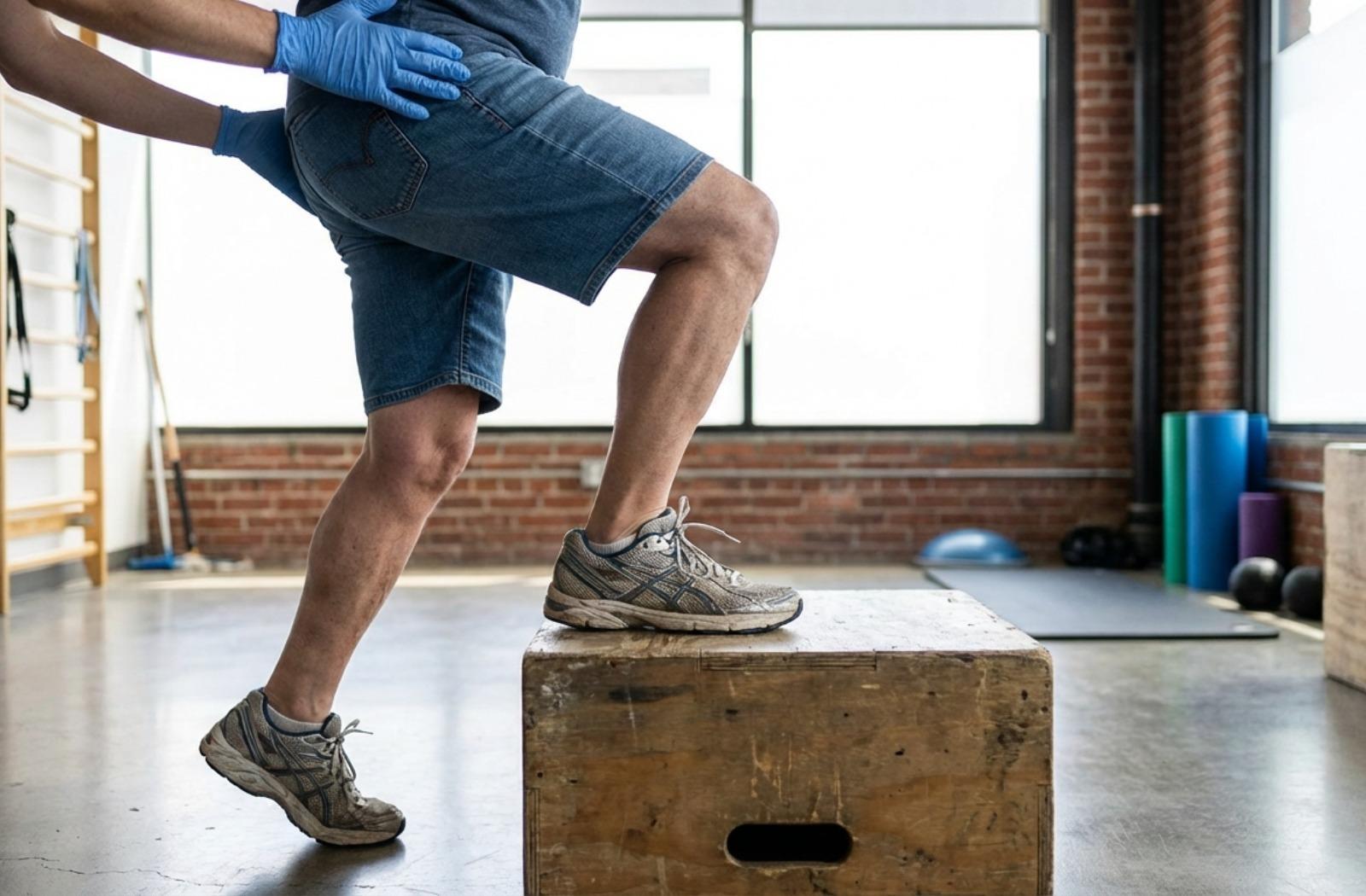
A physical therapist creates a personalized exercise plan to improve your hip’s strength and flexibility. They guide you through each movement, such as gentle hip exercises, to help you progress at a comfortable, safe pace.
The personalized attention helps build a strong foundation for your new joint.
An occupational therapist helps you adapt daily tasks to keep you safe during recovery. They may offer practical solutions, such as assistive devices for dressing or bathing, so you can confidently handle everyday activities as you heal.
A coordinated approach considers every aspect of your daily life to support a smoother transition back to independence.
The Role of Skilled Nursing
A successful recovery also involves attentive health support.
In a community with skilled nursing services, you have access to professionals who can help with medication schedules and proper care for your incision. They monitor your progress closely and can respond to any concerns right away.
Having this team available 24/7 provides peace of mind for you and your family. You can ask questions and receive prompt attention, which allows you to focus completely on your rehabilitation without worry. Consistent support is a key element of a stress-free recovery.
The Community Advantage for Your Recovery
Choosing where to recover can make a big difference in your experience.
An assisted living community offers a unique advantage by combining professional care with an encouraging atmosphere. You’re not just recovering in a room; you’re part of a vibrant community that cheers you on.
A community environment can offer significant peace of mind for your family. Knowing that you have immediate access to professional support and a caring team allows your loved ones to focus on encouraging you rather than managing complex care logistics.
Your family can visit and enjoy quality time with you, confident that your needs are being met around the clock.
Access to 24/7 support means help is always close by, whether you need assistance in the middle of the night or just a friendly check-in. Continuous care is a key part of a smooth transition from surgery to full recovery.
Having amenities like chef-prepared meals means you don’t have to worry about shopping or cooking while you heal.
Your social environment plays a role in healing. Interacting with others and participating in gentle activities can lift your spirits and keep you motivated.
A community setting helps you avoid the isolation that can sometimes come with recovering at home, and social activity can benefit cognitive health, too.
Plan Your Path to Renewed Mobility
As you prepare for hip surgery, exploring your rehabilitation options is an important step. A short-term stay in a community can provide the focused support you need to heal properly before returning home. You can access professional care in a comfortable setting.
Finding an environment that offers a continuum of care, from skilled nursing to assisted living, means your community can meet your needs as they change. It’s all about having a supportive plan in place for a strong, confident recovery.
At Kingston Residence of Fort Wayne, our team is dedicated to providing a warm and compassionate setting for your healing journey. Schedule a tour, and you’ll find a community ready to cheer you on as you work toward renewed mobility and independence!